Al-Qemah Elevators |Elevating Life |Rise With Confidence | Engineering Vertical Comfort | Smart Elevation Solutions |Beyond Floors |


Search Results
Search this site
10 results found with an empty search
- Elevator Regulations in Saudi Arabia 2026 – What Builders & Developers Must Know
Saudi Arabia's building regulations for elevators have been updated significantly as part of the Kingdom's Vision 2030 modernization drive. Whether you are a developer, contractor, or building owner, understanding these requirements is essential to avoid costly fines and delays. Which buildings require an elevator? According to the Saudi Building Code (SBC) and the Ministry of Municipal and Rural Affairs: residential buildings exceeding 4 floors above ground, commercial buildings exceeding 3 floors, any building with a total area exceeding 3,000 m², and all healthcare facilities regardless of floor count. Elevator shaft requirements: The shaft must be separated from the structural core by a fire-resistant wall rated for at least 2 hours. Minimum shaft dimensions are 1.5 × 1.5 meters for passenger elevators, with a pit depth of no less than 1.2 meters and a machine room or headroom of at least 2.2 meters. Steps to obtain an installation permit: Submit approved building plans to the municipality, get drawings stamped by a licensed elevator company, obtain a conformity certificate from the Saudi Standards, Metrology and Quality Organization (SASO), pass an on-site inspection, and receive an annual inspection certificate after commissioning. Important warning: Operating an elevator without an official permit can result in fines starting at SAR 20,000 and may lead to the building being suspended from use. Always work with a SASO-accredited elevator company.
- Hospital Elevators in Saudi Arabia – Medical Standards and Infection Control Requirements
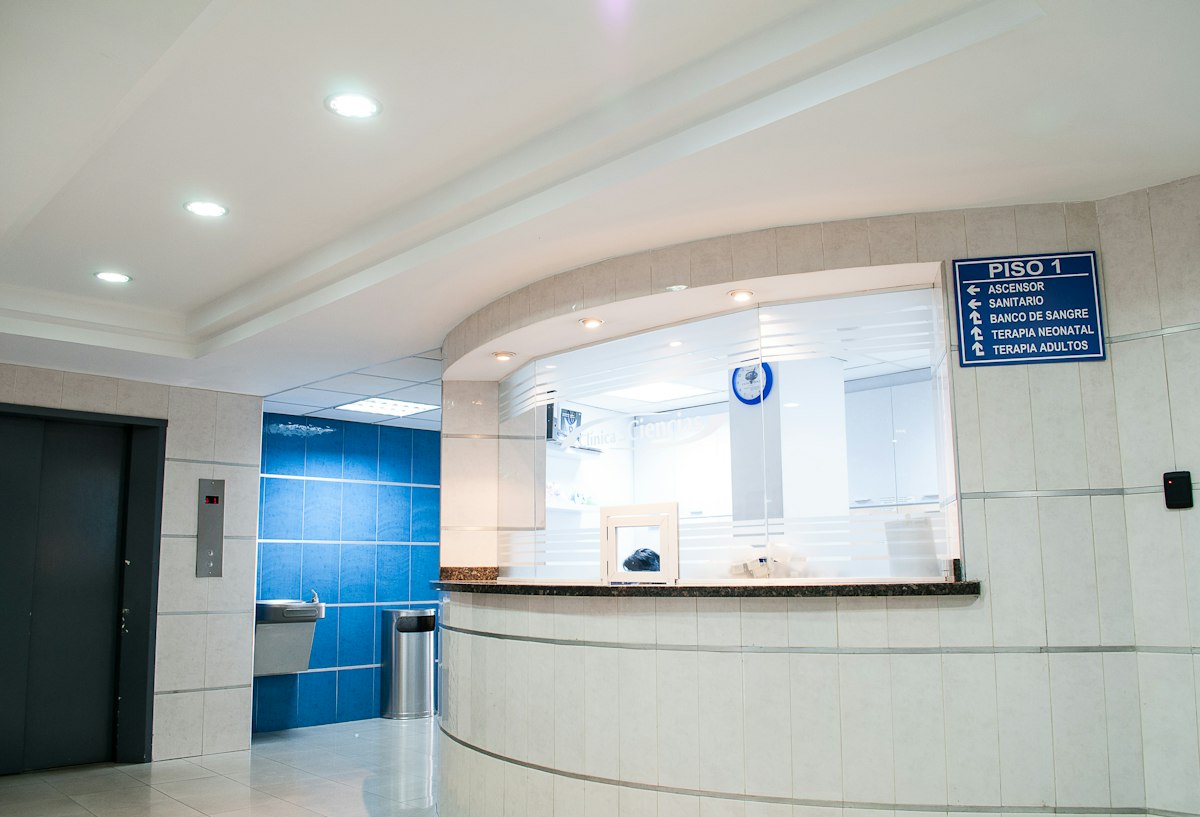
Hospital elevators are among the most specialized and strictly regulated elevator types in the world. In Saudi Arabia, healthcare facility elevators must comply with both local Saudi standards and international medical guidelines to ensure patient safety and operational efficiency. Key technical specifications: Hospital elevators must accommodate standard hospital beds (typically 2.4 m long). This requires a minimum cabin depth of 2.7 meters, width of 1.5 meters, and door opening of at least 1.1 meters. Load capacity must be a minimum of 1,600 kg (approximately 21 people). Infection control requirements: Hospital elevator surfaces must be made from materials that resist bacteria and are easy to sanitize, such as stainless steel and antimicrobial powder-coated panels. Push buttons should be designed to minimize touch surfaces, with many modern hospitals now adopting foot pedals or voice-activated controls. Speed and reliability standards: Patient transport elevators should operate at 1.0–1.6 m/s. Most importantly, hospital elevators must be connected to backup power systems (generators) to ensure continuous operation during power outages. Saudi-specific requirements: The Saudi Health Council mandates that all hospitals above a single floor must have dedicated service elevators separate from patient/visitor elevators. Emergency firefighter elevators are also required in buildings exceeding 30 meters in height.
- Panoramic Elevators in Saudi Arabia – Design, Cost, and Top Suppliers 2026
Panoramic elevators, also known as observation or glass elevators, have become one of the most sought-after architectural features in Saudi Arabia's luxury residential towers, hotels, and premium commercial buildings. They combine stunning aesthetics with full elevator functionality. Types of panoramic elevators available in Saudi Arabia: full glass cabin elevators (all four walls transparent), semi-panoramic (one or two glass walls), car-mounted panoramic elevators attached to building exteriors, and shaft-free home panoramic lifts for villas. Design considerations for Saudi climate: Saudi Arabia's intense sunlight and heat require panoramic elevators to use low-emissivity (Low-E) laminated glass with UV protection. This prevents interior overheating and protects passengers from harmful ultraviolet rays. Additionally, tinted glass options can complement architectural aesthetics. Pricing guide for 2026: A standard panoramic elevator with a simple glass panel starts at around SAR 85,000–120,000. A full glass cabin with premium stainless steel frame ranges from SAR 150,000–280,000. Exterior-mounted observation elevators for commercial towers start from SAR 350,000. Top considerations when choosing a panoramic elevator supplier: ensure the manufacturer provides EN81-20 certified glass that meets safety standards, offers a minimum 10-year warranty on glass panels, and has a local maintenance team capable of responding within 2–4 hours in case of emergencies.
- Freight and Goods Elevators in Saudi Arabia – Industrial Specifications and Safety Standards
Freight and goods elevators (also called service elevators or cargo lifts) are essential equipment for warehouses, factories, shopping centers, and large commercial facilities across Saudi Arabia. Unlike passenger elevators, they are engineered for heavy loads, durability, and ease of loading. Load capacity categories: Light freight elevators handle 500–1,000 kg for retail and small warehouses. Medium freight elevators manage 1,000–3,000 kg for most industrial applications. Heavy-duty freight elevators carry 3,000–10,000 kg for factories, shipyards, and large industrial plants. Vehicle platform lifts accommodate cars and light trucks. Key technical features of industrial-grade freight elevators in Saudi Arabia: reinforced steel cabin with non-slip flooring, wide bi-parting doors (minimum 2 meters wide), slow operation speed (0.25–0.5 m/s) for safe loading, heavy-duty guide rails and safety gear for overload protection. Saudi safety standards for freight elevators: All freight elevators must comply with SASO ISO standards and be equipped with overload detection sensors, safety buffers at the bottom of the shaft, emergency stop mechanisms, and annual mandatory safety inspections by SASO-accredited bodies. Cost estimation for Saudi Arabia 2026: A standard freight elevator (1,000–2,000 kg capacity, 3–4 floors) typically costs SAR 45,000–90,000 installed. Heavy-duty models for industrial use (5,000+ kg) start from SAR 120,000. Maintenance contracts typically run SAR 6,000–15,000 per year.
- Elevator Energy Efficiency in Saudi Arabia – How to Cut Costs and Go Green in 2026
With electricity costs rising and the Saudi Green Initiative pushing for sustainability, energy-efficient elevators have moved from a nice-to-have to a business imperative. A standard elevator can account for 2–10% of a building's total energy consumption, making it a high-priority area for efficiency improvements. Key energy-saving elevator technologies available in Saudi Arabia: Regenerative drives (VVVF) that feed braking energy back to the building grid, LED lighting systems inside cabins (saving up to 70% versus fluorescent lighting), standby mode and automatic shut-off during low-traffic periods, and machine-room-less (MRL) designs that reduce mechanical losses. The impact of destination control systems: Modern AI-powered destination control systems (DCS) can reduce average elevator energy consumption by 25–35% by grouping passengers traveling to the same floor and reducing unnecessary trips. Saudi Green Initiative alignment: The Kingdom has committed to planting 10 billion trees and reducing carbon emissions by 278 million tons by 2030. Buildings choosing energy-certified elevators (such as those meeting ISO 25745 energy ratings) are increasingly preferred in government tenders and LEED-certified building projects. Return on investment: While energy-efficient elevator systems may cost 10–20% more upfront than standard models, Saudi facility managers typically see full payback within 3–5 years through reduced electricity bills, lower maintenance costs, and potential LEED certification points that increase property value.
- How to Choose a Reliable Elevator Company in Riyadh
Choosing a reliable elevator company in Riyadh is a critical decision that affects the safety of your family and your long-term investment. 1. Official Licensing and Accreditation: Ensure the company holds licenses from Saudi regulatory authorities and employs qualified engineers. 2. Track Record and Experience: Review completed projects and years of experience in the Saudi market — experience is a real guarantee of quality. 3. Product Quality and Brands: Leading companies like Al-Qemah Elevators use components from trusted global manufacturers. 4. Periodic Maintenance Contracts: A good elevator needs regular servicing. Confirm a comprehensive contract covering routine inspections and emergency repairs. 5. Customer Service and Response Time: In emergencies, how fast a company responds means everything. Choose a company with 24/7 support. Al-Qemah Elevators in Riyadh combines all these criteria with comprehensive warranties and years of proven experience in the Saudi market.
- Commercial Elevators for Shopping Centers – Specifications and Requirements
Commercial elevators are a cornerstone of modern shopping center and tower design. Their requirements differ significantly from residential elevators in terms of capacity and durability. Key Commercial Elevator Specifications: - High load capacity: ranging from 1,000 to 2,500 kg to accommodate large visitor volumes - Higher operating speed: to reduce wait times in high-traffic buildings - Wide automatic doors: for fast, easy entry and exit - VVVF drive systems: providing greater comfort and advanced energy efficiency - Durable finishing materials: designed to withstand intensive daily use Saudi Code Requirements for Commercial Elevators: - Compliance with Saudi Building Code (SBC) - Safety certificates from Civil Defense - Periodic inspection by accredited bodies - Integrated emergency systems including backup lighting and direct communication Al-Qemah Elevators specializes in designing, installing, and maintaining commercial elevators for shopping centers and towers across the Kingdom.
- Elevator Maintenance in Saudi Arabia – Why It Matters and How It Works
Regular elevator maintenance is not a luxury — it is a legal requirement and a real safety measure for everyone in the building. Saudi regulations mandate a strict inspection and maintenance schedule. Recommended Maintenance Schedule: Monthly Maintenance: - Inspect cabin and landing doors - Test safety devices - Lubricate moving parts - Check lighting and ventilation Quarterly Maintenance: - Inspect suspension cables and tension pulleys - Test overspeed governors - Check motor and electrical components Annual Maintenance: - Full inspection by a certified engineer - Renewal of safety certificates - Review of all mechanical and electrical components Warning Signs That Need Immediate Attention: - Unusual noises during operation - Elevator stopping between floors - Delayed door opening or closing - Abnormal vibration in the cabin Al-Qemah Elevators offers comprehensive maintenance contracts covering all these checks with emergency response within 24 hours.
- Elevators for People with Disabilities – Accessibility Standards in Saudi Arabia
Providing an accessible environment for people with disabilities is both a legal and ethical responsibility in Saudi Arabia, with specialized elevators at the forefront of universal access requirements. Core Standards for Accessible Elevators: 1. Cabin Dimensions: Cabin must be at least 110 cm × 140 cm to accommodate a wheelchair. 2. Low-Mounted Control Panel: Buttons must be within reach at no more than 120 cm above the floor. 3. Auditory Announcement Systems: The elevator must announce each floor verbally to serve visually impaired users. 4. Support Handrails: Install horizontal grab bars inside the cabin for better stability. 5. Door Hold Time: Doors should remain open for 5–8 seconds to allow adequate time to enter or exit. Saudi Regulatory Framework: The Saudi Building Code (SBC) requires all public buildings to provide accessible entry, with compliance certificates issued by accreditation authorities. Al-Qemah Elevators provides comprehensive accessible elevator solutions fully compliant with all Saudi and international standards.
- Best Home Elevators in Saudi Arabia 2025 – Complete Buyer's Guide
Home elevators have become essential in many Saudi villas and multi-story residences. This guide covers the main types and key selection criteria. Types of Home Elevators: 1. Traction (Cable) Elevators: Use a pulley and cable system, most common and efficient for multi-floor buildings. 2. Hydraulic Elevators: Operate using oil pressure, ideal for 2-4 story buildings, quiet and smooth operation. 3. Platform Lifts: An economical option for people with mobility needs or limited spaces. Key Selection Criteria: - Load capacity suitable for your household size - Cabin dimensions and interior design - Energy efficiency rating - Warranty coverage and maintenance services - Compliance with Saudi safety standards Al-Qemah Elevators offers a complete range of home elevators meeting the highest quality and safety standards, with after-sales service and periodic maintenance contracts.